
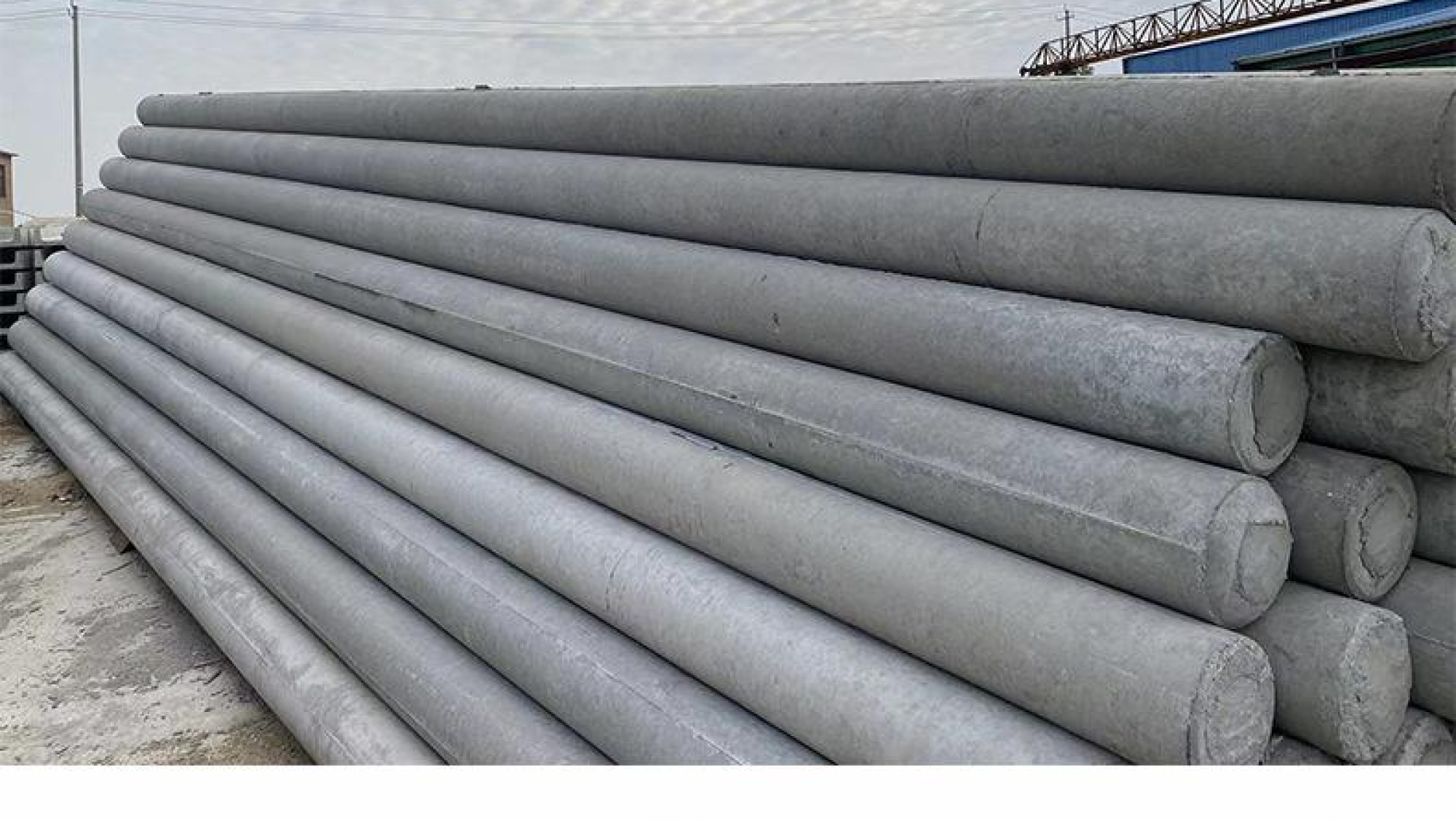
The Evolution and Advantages of Cement Power Poles in Modern Infrastructure
In the realm of power distribution infrastructure, utility poles play a critical role in transmitting electricity across vast distances. Among the various types of poles available—wooden, steel, and cement power poles—each has distinct advantages and limitations. This article explores the global trends in pole usage, focusing on why cement power poles have become the cornerstone of China’s electrical grid and how their adoption mitigates risks prevalent in regions still relying on wooden alternatives.
 Types of Utility Poles: A Comparative Analysis
Utility poles are broadly categorized into three types: wooden, steel, and cement power poles.
– Wooden poles, traditionally popular for their low upfront cost and ease of installation, suffer from susceptibility to rot, termite damage, and fire hazards. Their average lifespan is 20–30 years, depending on environmental conditions.
– Steel poles offer superior strength and durability but are prone to corrosion, especially in coastal or humid regions. Their high manufacturing and maintenance costs limit widespread adoption.
– Cement power poles, made from reinforced concrete, strike a balance between affordability, longevity, and safety. They resist fire, corrosion, and extreme weather, making them ideal for long-term infrastructure projects.
China’s Embrace of Cement Power Poles: Reasons and Benefits
China has emerged as a global leader in deploying cement power poles, with over 80% of its power distribution network relying on them. This shift stems from several strategic advantages:
1. Cost-Effectiveness: Cement poles leverage locally abundant raw materials (cement, sand, steel), reducing production costs. Their mass production aligns with China’s large-scale urbanization needs.
2. Durability: Designed to last 50–70 years, cement power poles require minimal maintenance compared to wooden or steel alternatives. This reduces lifecycle costs for grid operators.
3. Fire Resistance: Unlike wooden poles, cement structures are non-combustible, a critical feature in wildfire-prone areas. For instance, California’s recurring wildfires—often exacerbated by aging wooden poles—highlight the risks China avoids through cement adoption.
4. Environmental Sustainability: Cement poles eliminate deforestation pressures linked to wooden pole production. Modern manufacturing techniques also incorporate recycled materials, aligning with China’s green development goals.
 The Global Fire Risk of Wooden Poles
Many countries, including the U.S., India, and parts of Europe, continue using wooden poles due to historical infrastructure legacies. However, this reliance has proven hazardous. In 2020, California’s fire department attributed 10% of wildfires to faulty wooden power poles. Similarly, Australia’s 2019–2020 bushfire season saw numerous fires ignited by sparking power lines attached to degraded wooden poles. These incidents underscore the urgent need to transition to fire-resistant alternatives like cement power poles.
Manufacturing High-Quality Cement Power Poles
Producing durable cement power poles requires precision and adherence to strict standards (e.g., China’s GB/T 4623-2014). Key steps include:
1. Material Selection: High-grade Portland cement, clean aggregates, and corrosion-resistant steel reinforcement bars.
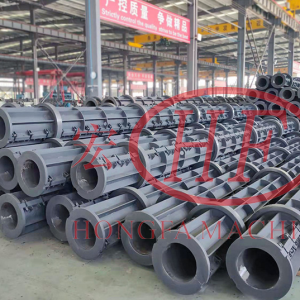
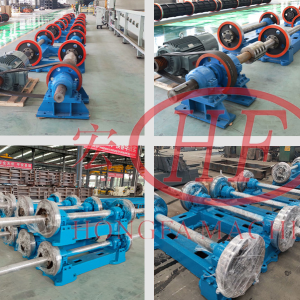
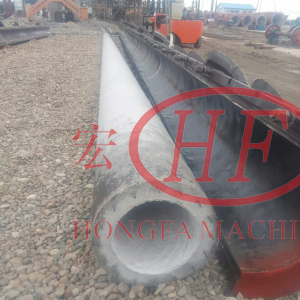
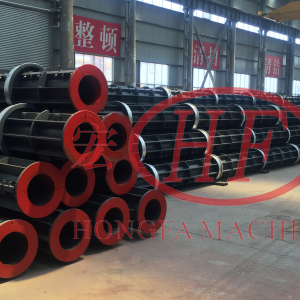
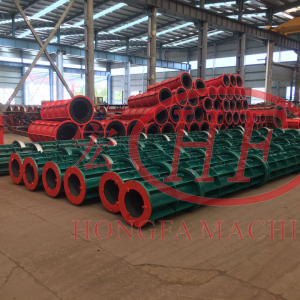
2. Mold Casting: Centrifugal molding ensures even distribution of concrete, enhancing structural integrity.
3. Curing: Steam curing accelerates strength development, while post-curing in controlled environments prevents cracks.
4. Quality Testing: Load-bearing capacity, anti-corrosion coatings, and seismic resistance are rigorously tested before deployment.
Applications and Lifespan of Cement Power Poles
Cement power poles are versatile, supporting:
– Urban Power Grids: Heavy-duty poles for high-voltage transmission.
– Rural Electrification: Lightweight variants for cost-sensitive regions.
– Telecommunications: Dual-use poles for power and fiber optic cables.
With a typical lifespan exceeding 50 years—twice that of wooden poles—they offer unparalleled ROI. Properly maintained poles can endure harsh climates, from deserts to typhoon-prone coastal zones.
Conclusion
The global shift toward cement power poles reflects their unmatched blend of safety, durability, and economic efficiency. As nations grapple with climate change and aging infrastructure, China’s model provides a blueprint for sustainable electrification. By prioritizing cement power poles, stakeholders can mitigate fire risks, reduce long-term costs, and build resilient grids for future generations. For industries seeking reliable solutions, investing in high-quality cement power poles is not just a choice—it’s a necessity.
Add a Comment