- +8618934714539

Cement Pipe machine
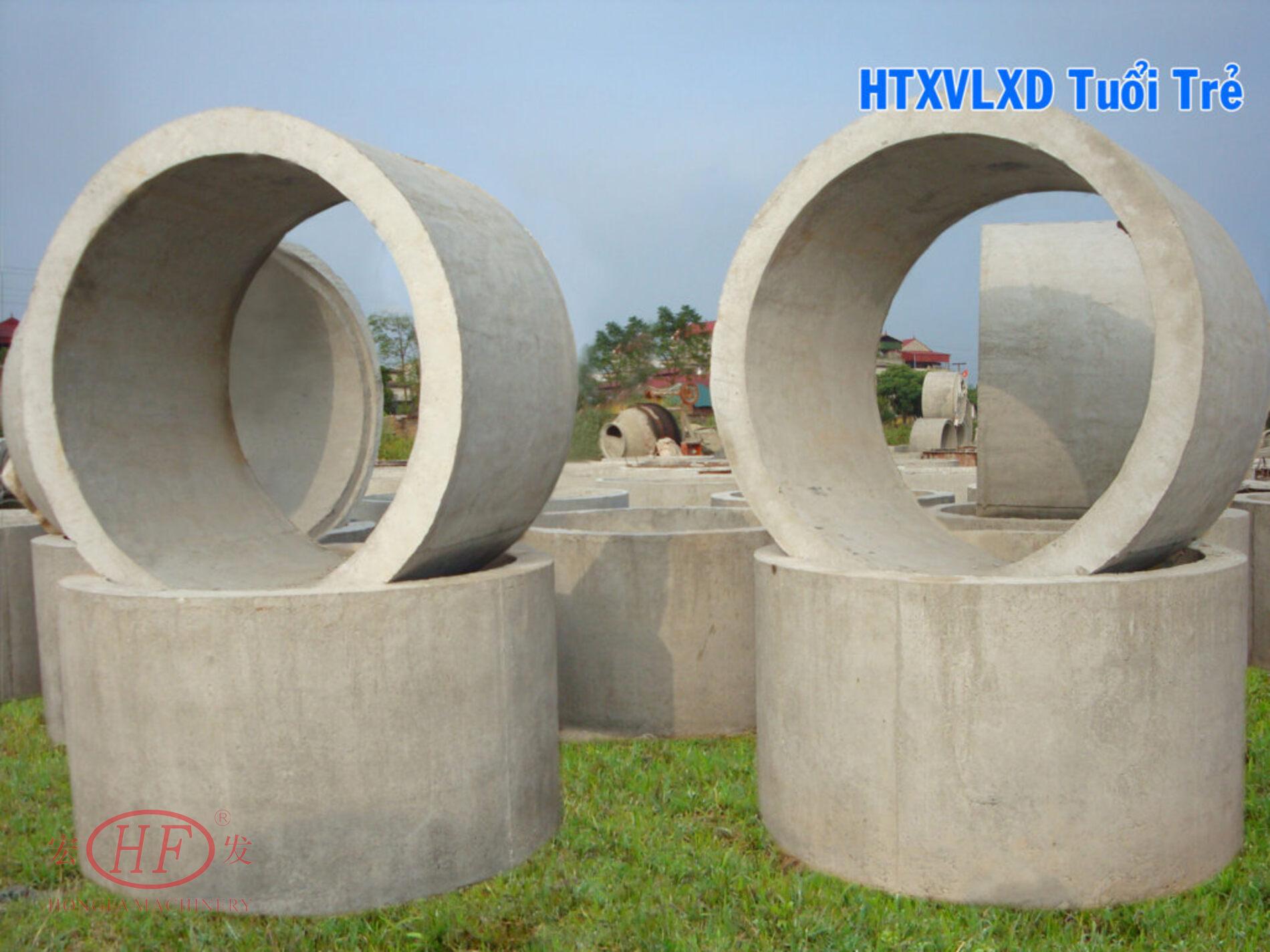
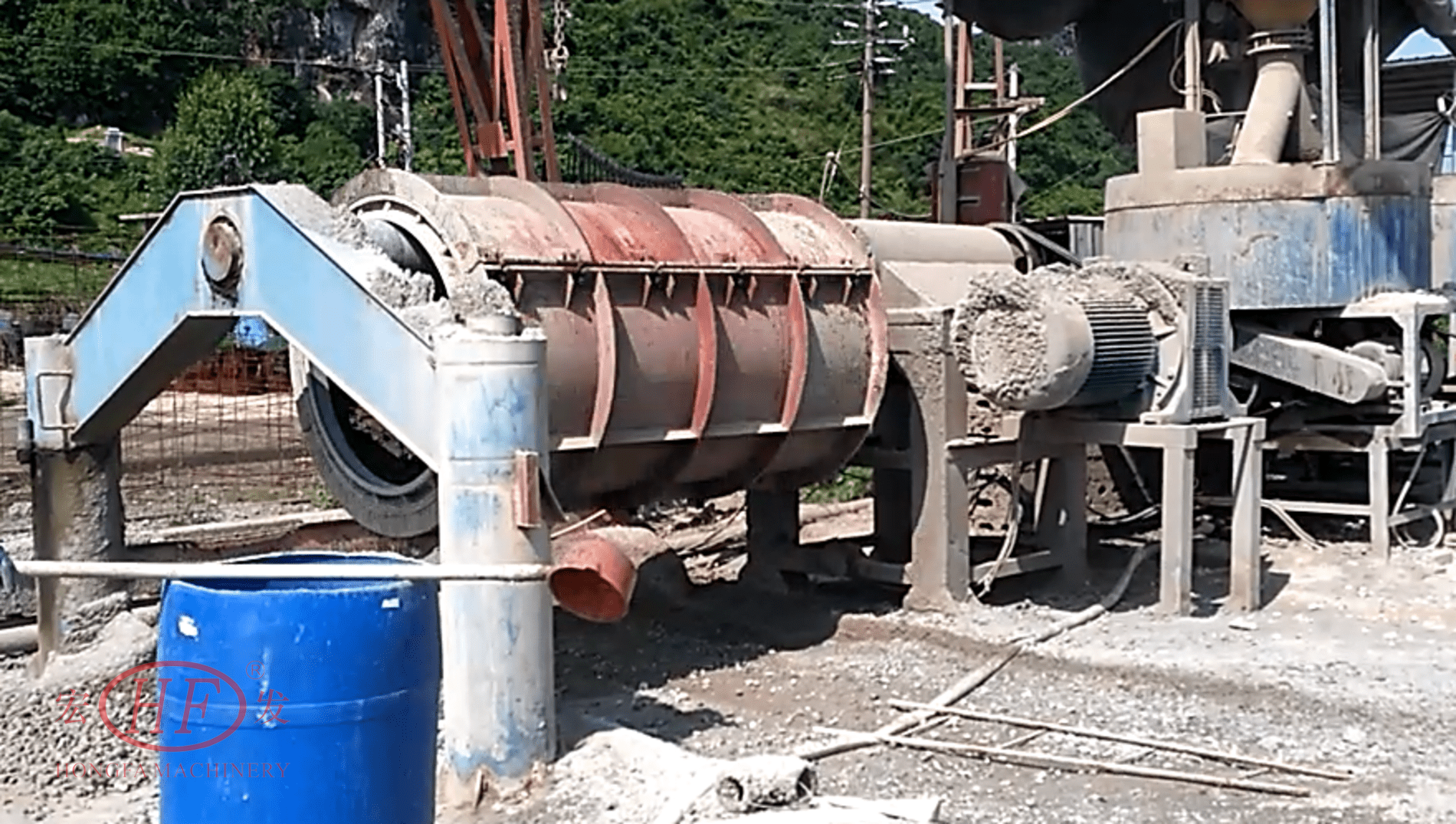
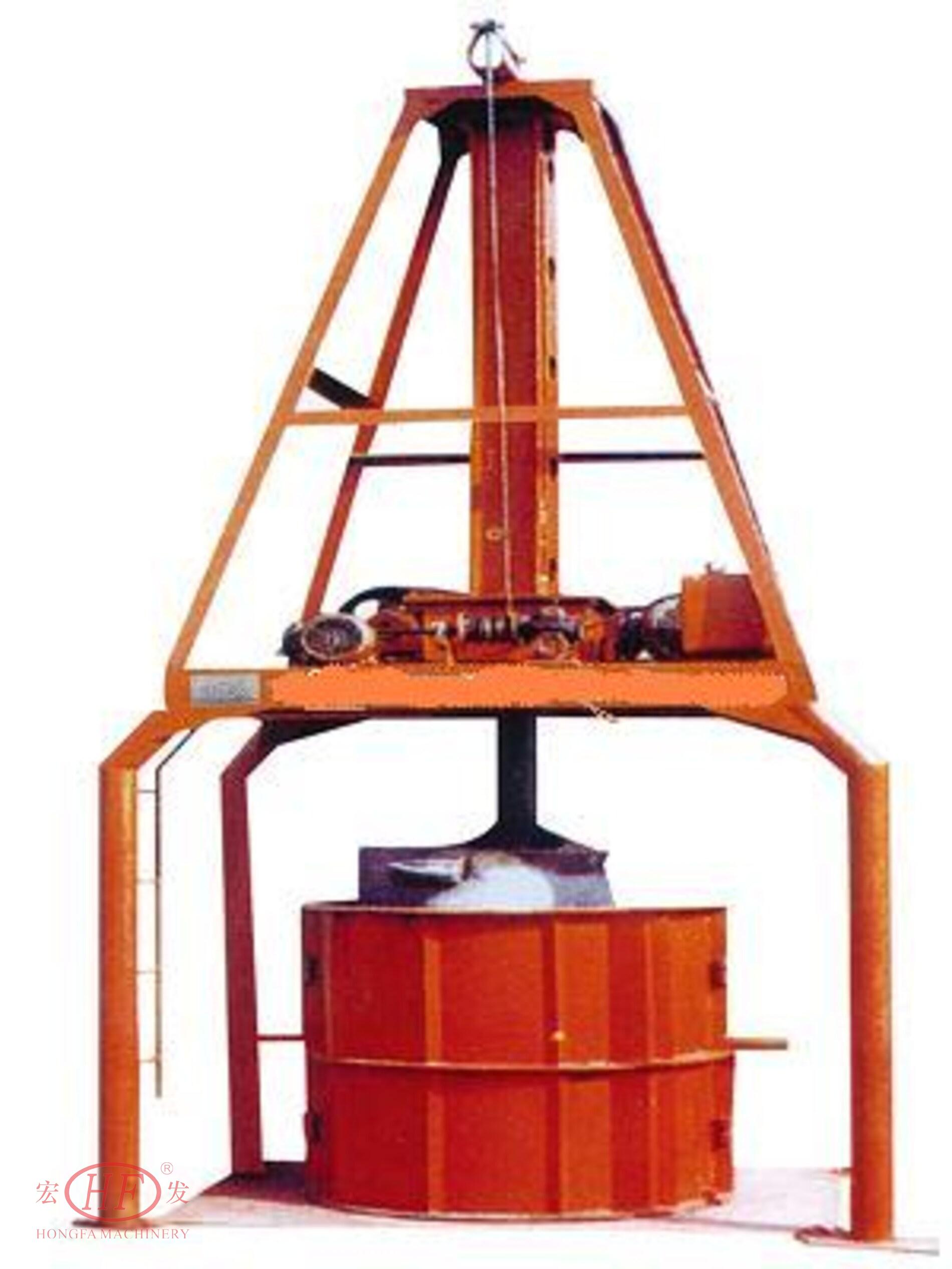
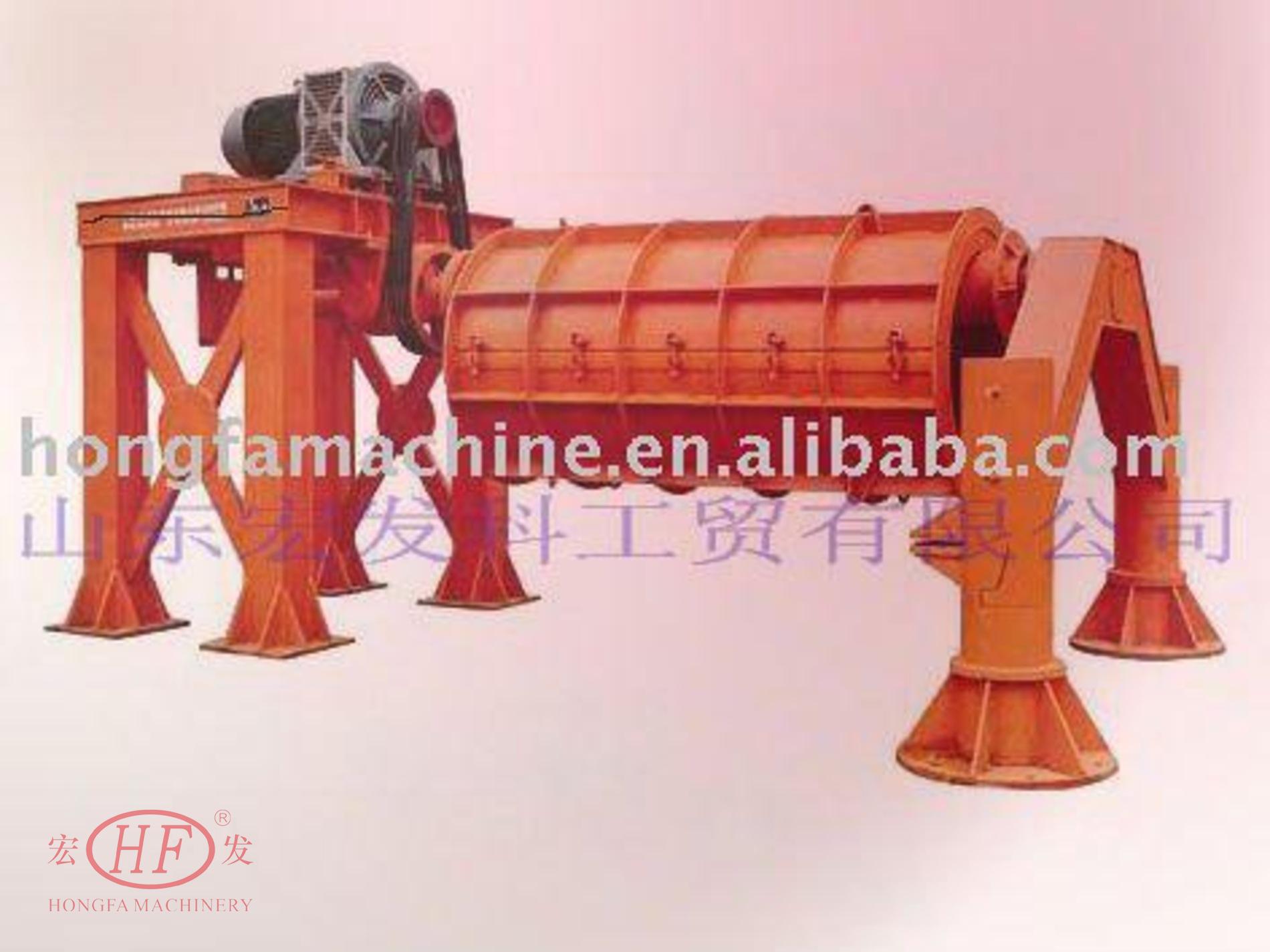
In the dynamic world of construction, innovation is essential. Enter the Cement Pipe Machine, a cutting-edge system poised to transform the way we manufacture cement pipes. From infrastructure projects to drainage systems, this revolutionary technology offers a myriad of benefits that promise to redefine pipe manufacturing.
Unveiling the Cement Pipe Machine
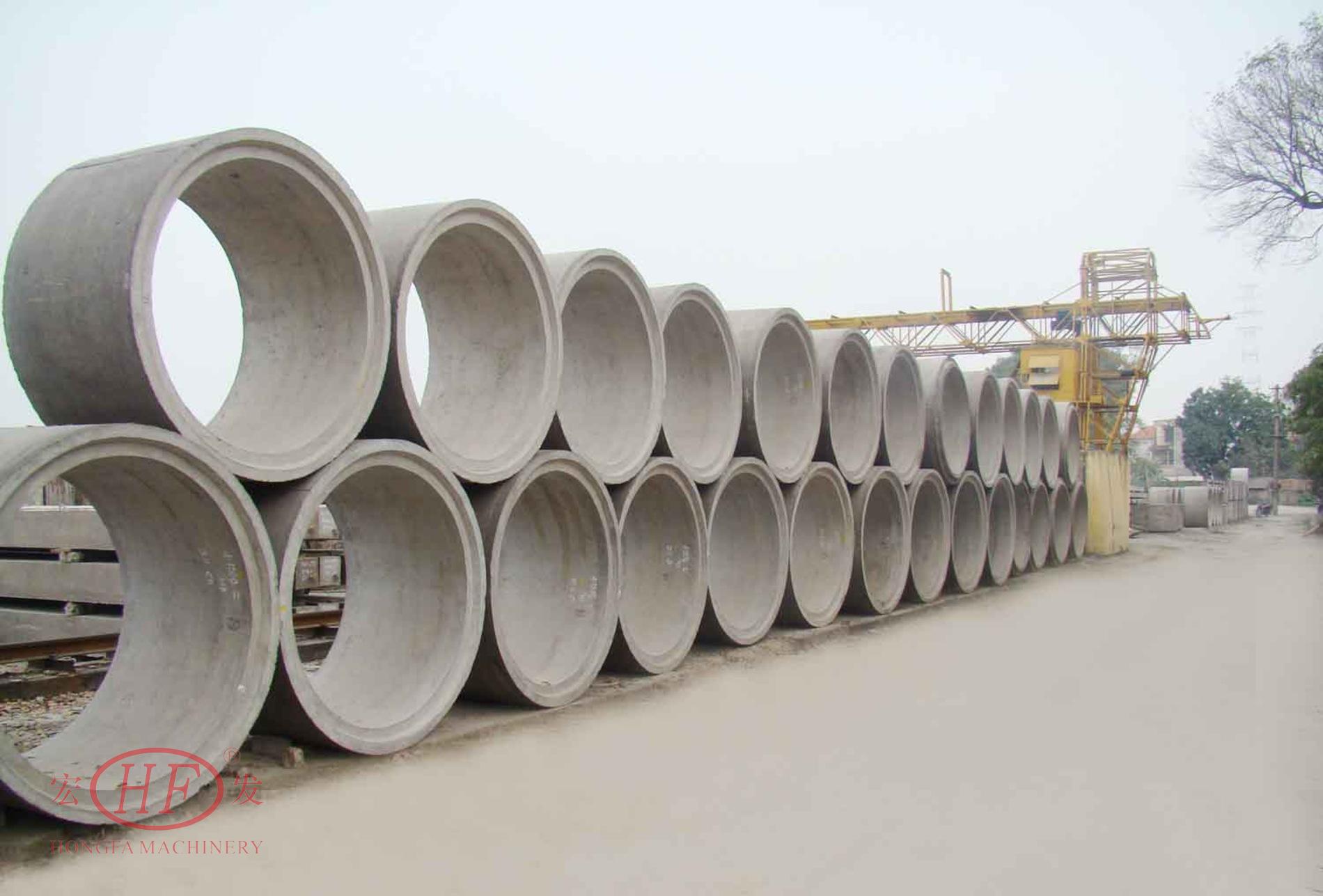
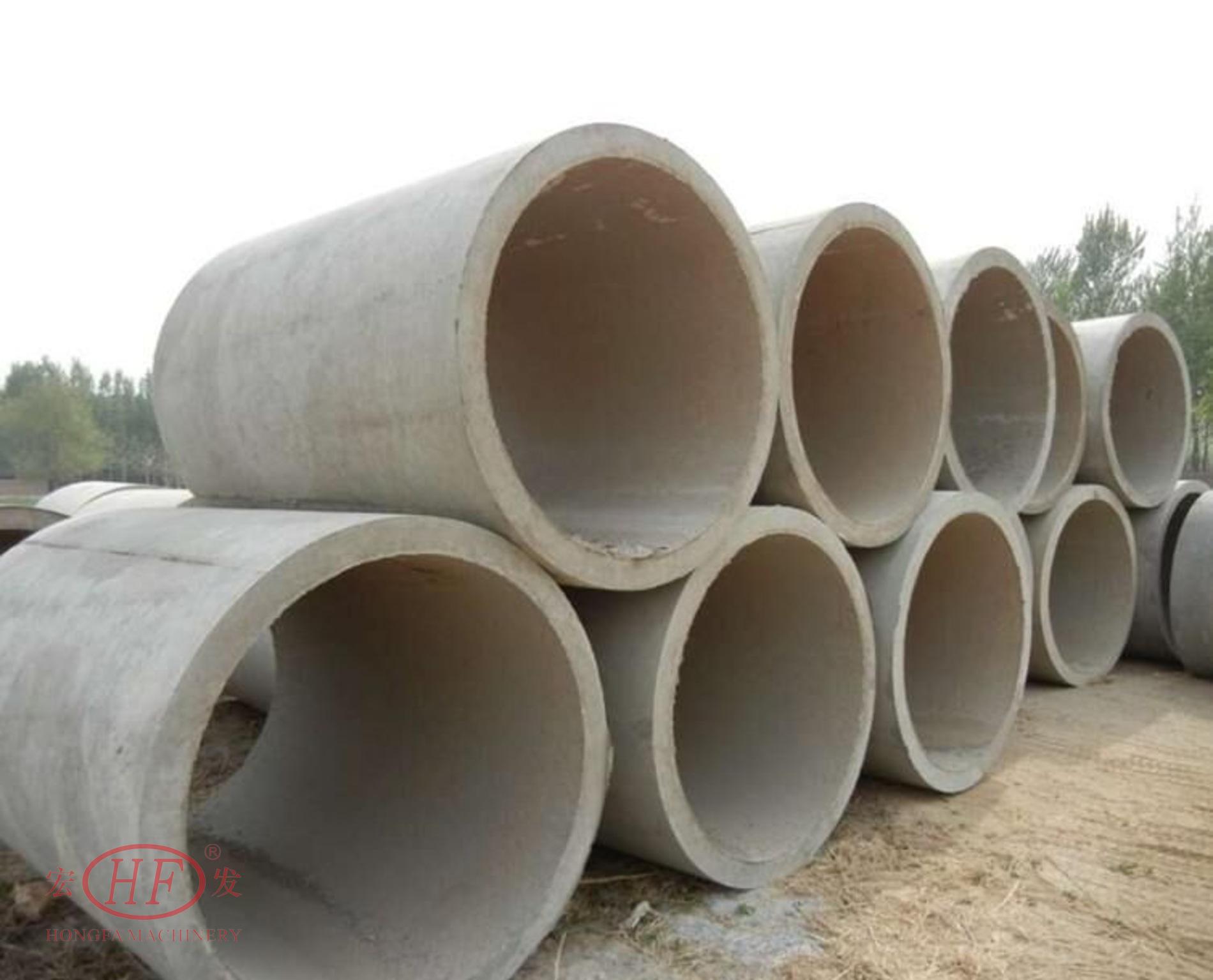
The Cement Pipe Machine represents the pinnacle of engineering ingenuity, designed to streamline the manufacturing process of high-quality cement pipes. These pipes serve as critical components in various construction applications, providing efficient conveyance of fluids, sewage, and stormwater. Let’s delve deeper into the intricacies of this groundbreaking technology:
How Does It Work?
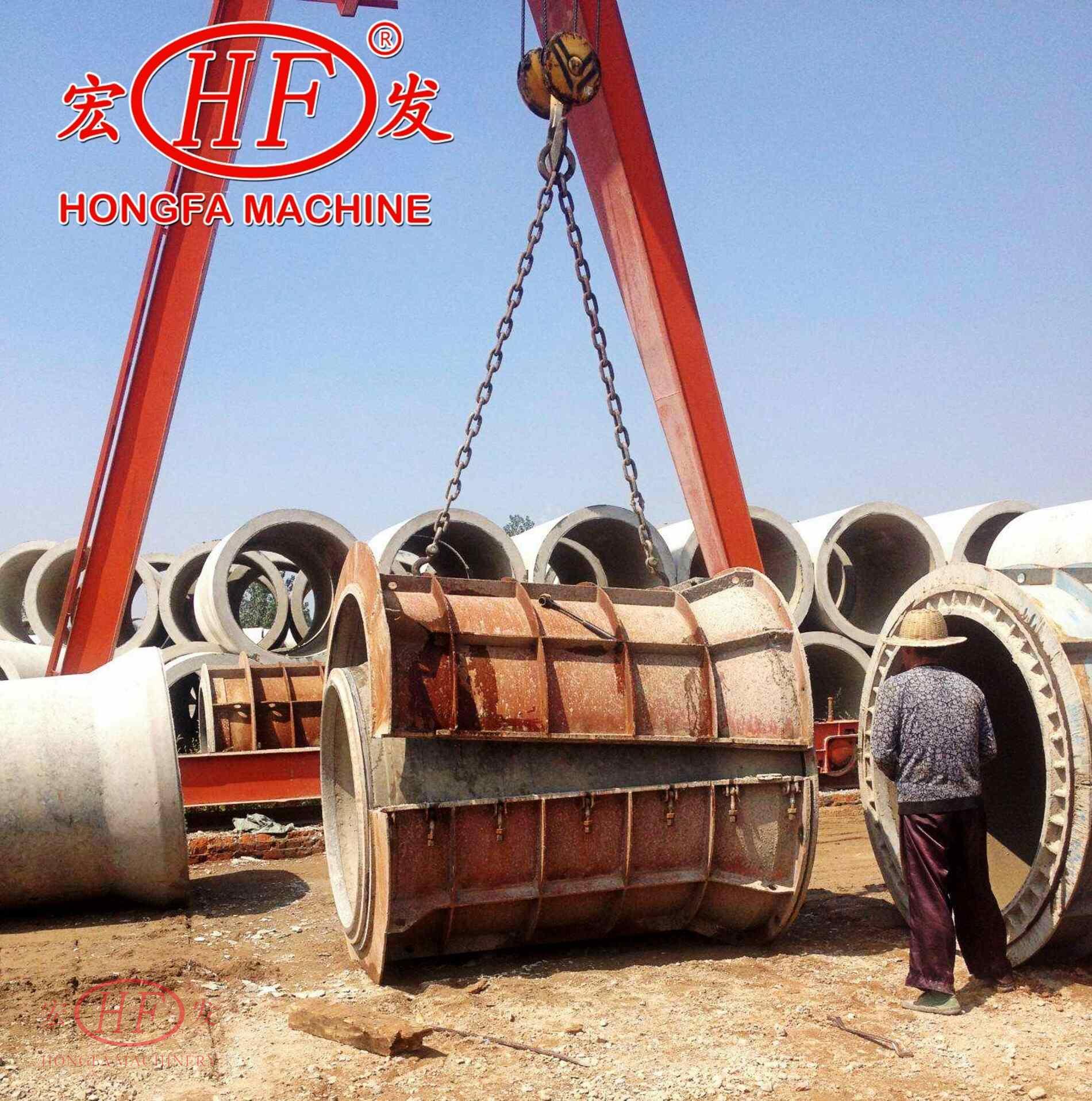
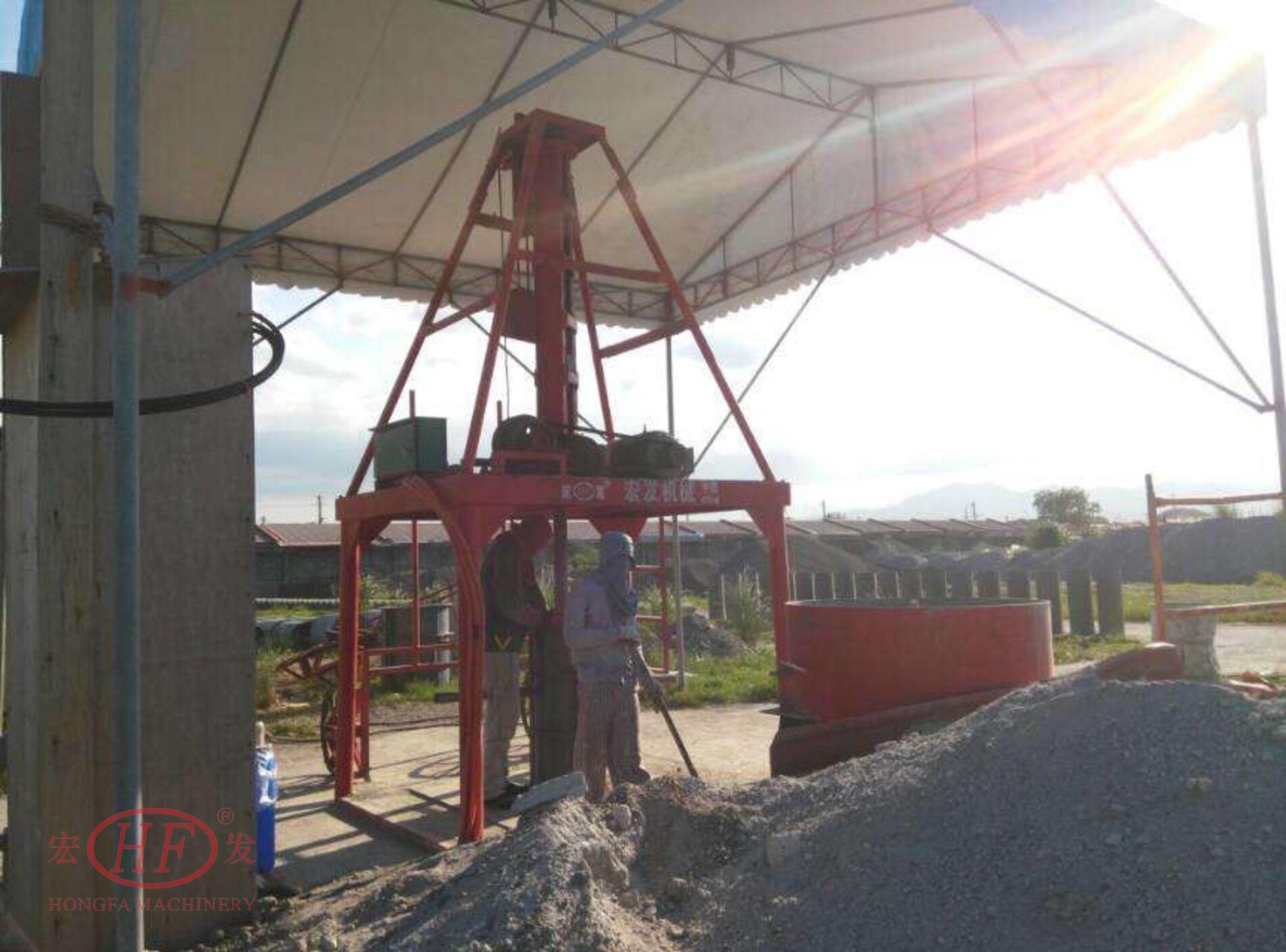
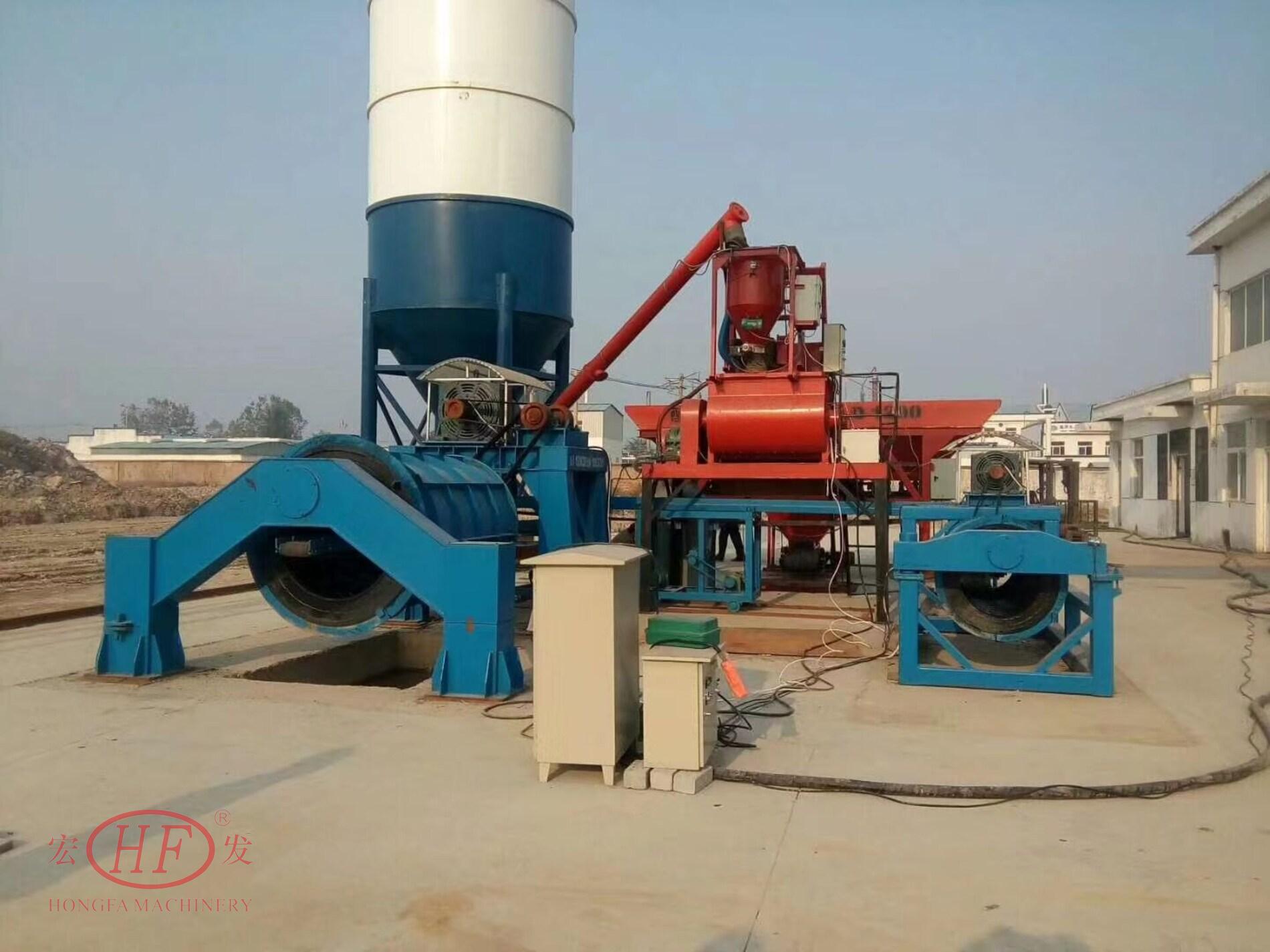
At its core, the Cement Pipe Machine comprises a series of interconnected machinery and equipment. The process begins with the precise mixing of raw materials, including cement, aggregates, water, and additives. This mixture is then extruded or centrifugally cast into molds and subjected to curing processes, resulting in durable and uniform cement pipes with consistent dimensions and properties.
Key Features and Capabilities
- Customization: The Cement Pipe Machine offers unparalleled flexibility in pipe design, diameter, and length, allowing manufacturers to tailor their products to meet the specific requirements of each project.
- Efficiency: By automating and optimizing the manufacturing process, this technology significantly reduces labor and time requirements compared to traditional methods, enabling manufacturers to meet tight deadlines and scale their operations efficiently.
- Quality Assurance: With built-in quality control mechanisms, including automated inspection systems, every pipe produced by the Cement Pipe Machine meets the highest standards of durability, strength, and dimensional accuracy.
- Versatility: Cement pipes find applications in a wide range of construction projects, including sewer systems, drainage networks, irrigation systems, and culverts, offering superior performance and longevity compared to alternative materials.
Advantages of Cement Pipes in Construction
Durability and Strength
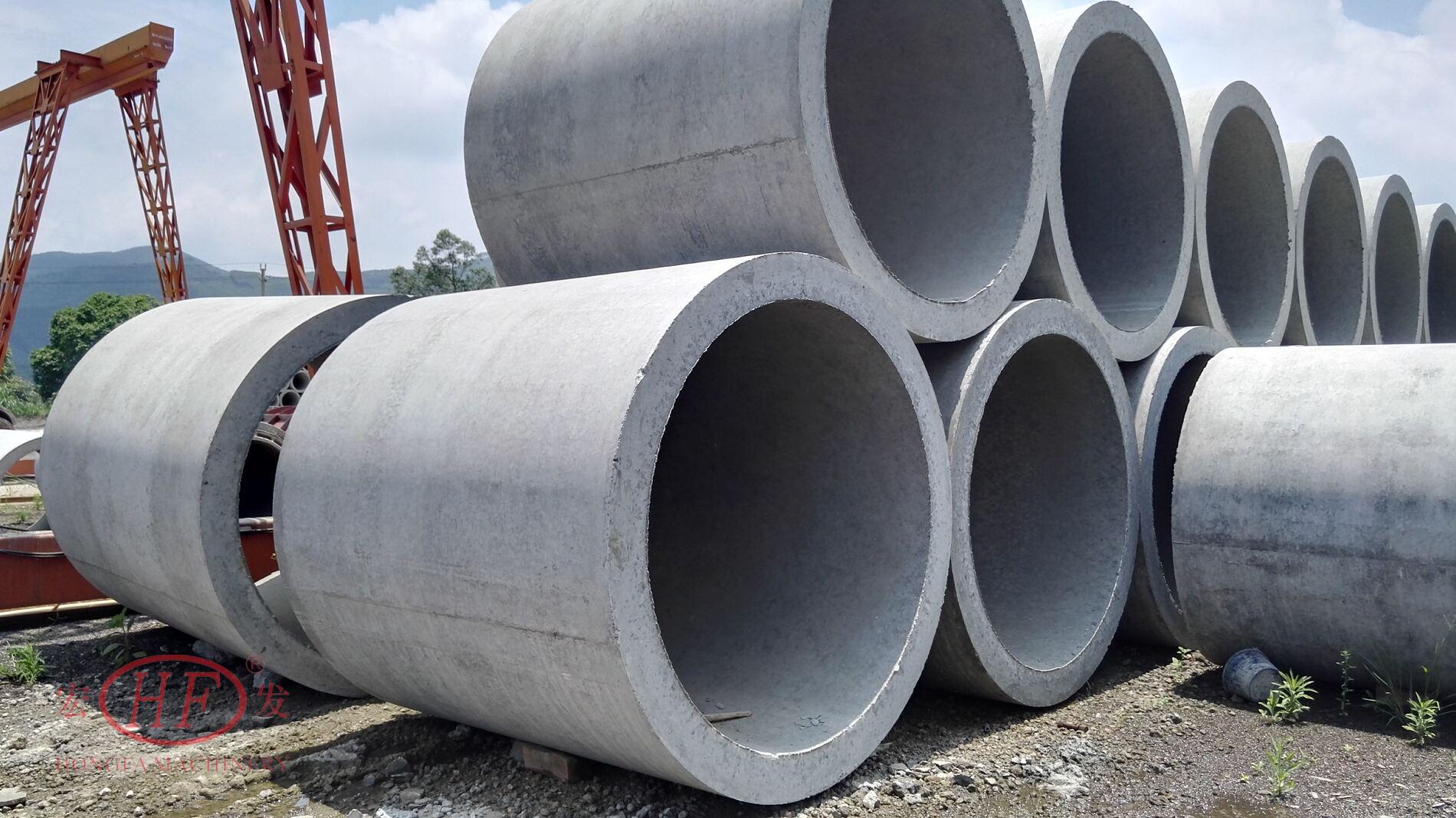
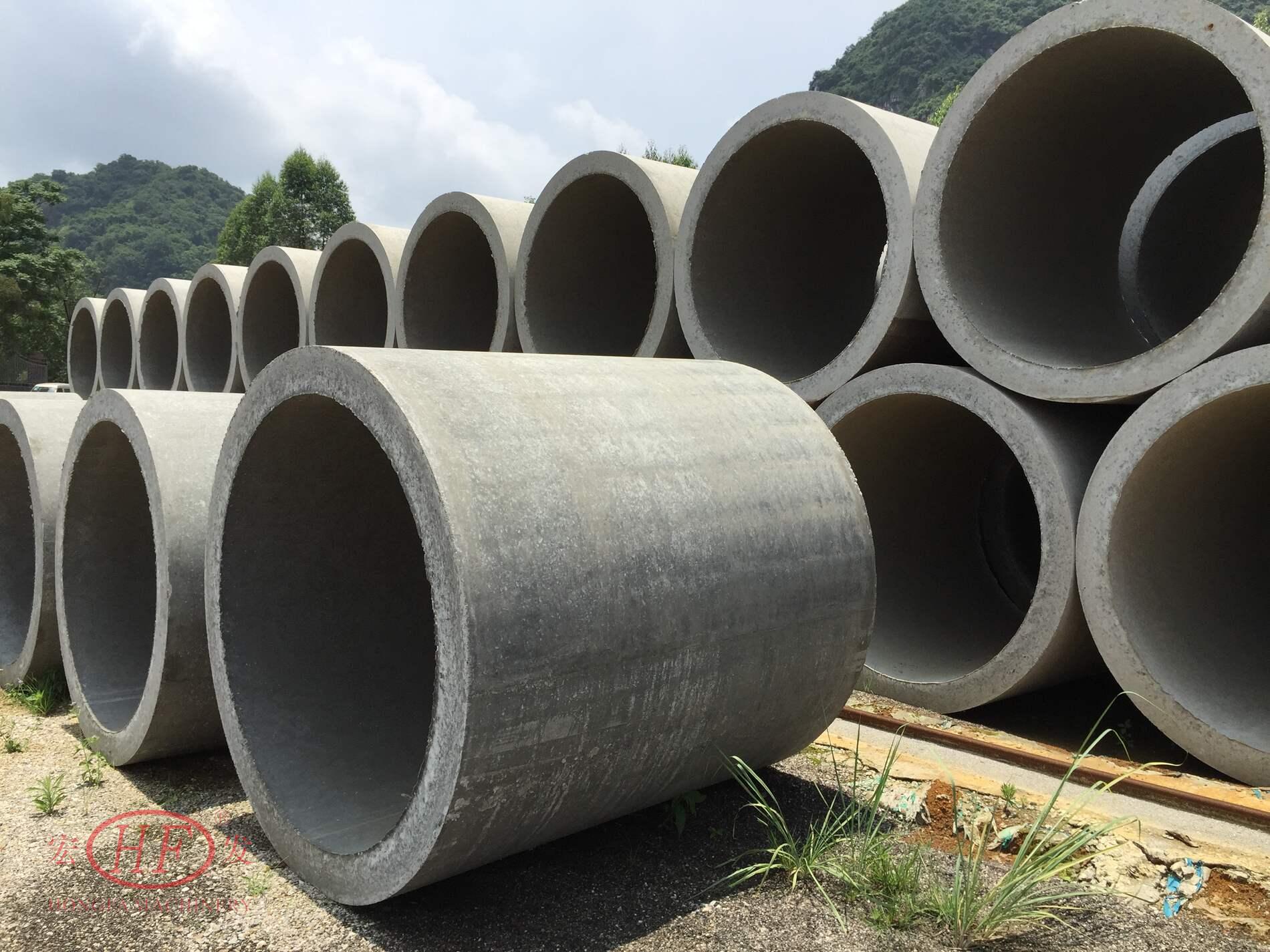
One of the standout features of cement pipes is their exceptional durability and strength. Made from a mixture of cement and aggregates, cement pipes offer structural integrity and resistance to compressive forces, making them ideal for underground applications such as sewer lines and culverts. Additionally, cement pipes are resistant to corrosion, abrasion, and root intrusion, ensuring long-term performance and minimal maintenance requirements.
Hydraulic Efficiency
Cement pipes provide smooth interior surfaces that facilitate efficient flow of fluids, sewage, and stormwater. With low friction coefficients and uniform cross-sectional profiles, cement pipes minimize head loss and turbulence, reducing energy consumption and operational costs for pumping systems. Additionally, cement pipes offer hydraulic capacities that exceed those of alternative materials, ensuring reliable conveyance of fluids in a wide range of conditions.
Environmental Sustainability
Cement pipes offer environmental benefits compared to alternative pipe materials. By optimizing material usage, reducing waste, and minimizing transportation emissions, cement pipe manufacturing processes contribute to resource conservation and carbon footprint reduction. Additionally, the longevity and recyclability of cement pipes further enhance their sustainability credentials, making them a preferred choice for green infrastructure projects and sustainable development initiatives.
Cost-Effectiveness
Cement pipes offer cost savings in several key areas of construction. By reducing labor requirements and construction time, they lower installation costs and overhead expenses. Additionally, the durability and longevity of cement pipes minimize lifecycle costs associated with maintenance, repair, and replacement, providing long-term value and performance for infrastructure owners and operators.
Applications and Industries
The applications of cement pipes span various sectors of the construction industry:
- Sewer Systems: Cement pipes are commonly used in sewer systems for conveyance of sewage and wastewater, providing reliable and durable solutions for underground pipelines that withstand corrosive environments and heavy loads.
- Drainage Networks: Cement pipes serve as essential components in drainage networks for removal of stormwater and runoff, offering efficient and cost-effective solutions for erosion control, flood prevention, and water management.
- Irrigation Systems: In agricultural settings, cement pipes facilitate efficient distribution of water for irrigation purposes, ensuring optimal crop growth and yield while conserving water resources and minimizing environmental impact.
- Culverts and Bridges: Cement pipes are utilized in culverts and bridge abutments for waterway crossings, providing durable and structurally sound solutions that withstand hydraulic forces and soil pressures in diverse environmental conditions.
Future Trends and Innovations
As technology advances and sustainability becomes increasingly important, the Cement Pipe Machine is poised to undergo further advancements and innovations:
- Advanced Materials: Ongoing research and development efforts are focused on developing new materials and formulations that further enhance the performance, durability, and sustainability of cement pipes, such as recycled aggregates, fiber reinforcements, and carbon-neutral additives.
- Digital Integration: Integration with digital technologies such as BIM (Building Information Modeling) and GIS (Geographic Information Systems) will enable seamless coordination and optimization of pipe network design, installation, and maintenance, leading to improved asset management and operational efficiency.
- Smart Pipe Solutions: The adoption of smart technologies such as IoT (Internet of Things) sensors and data analytics will enable real-time monitoring and predictive maintenance of cement pipe infrastructure, enhancing reliability, resilience, and service life while reducing lifecycle costs and downtime.
Conclusion
In conclusion, the Cement Pipe Machine represents a paradigm shift in the construction industry, offering a sustainable, efficient, and versatile solution for pipe manufacturing. From its durability and hydraulic efficiency to its environmental sustainability and cost-effectiveness, cement pipes are poised to remain the material of choice for a wide range of infrastructure projects. As we look towards the future, the Cement Pipe Machine stands as a testament to the power of innovation and collaboration in shaping a more resilient and sustainable built environment.