
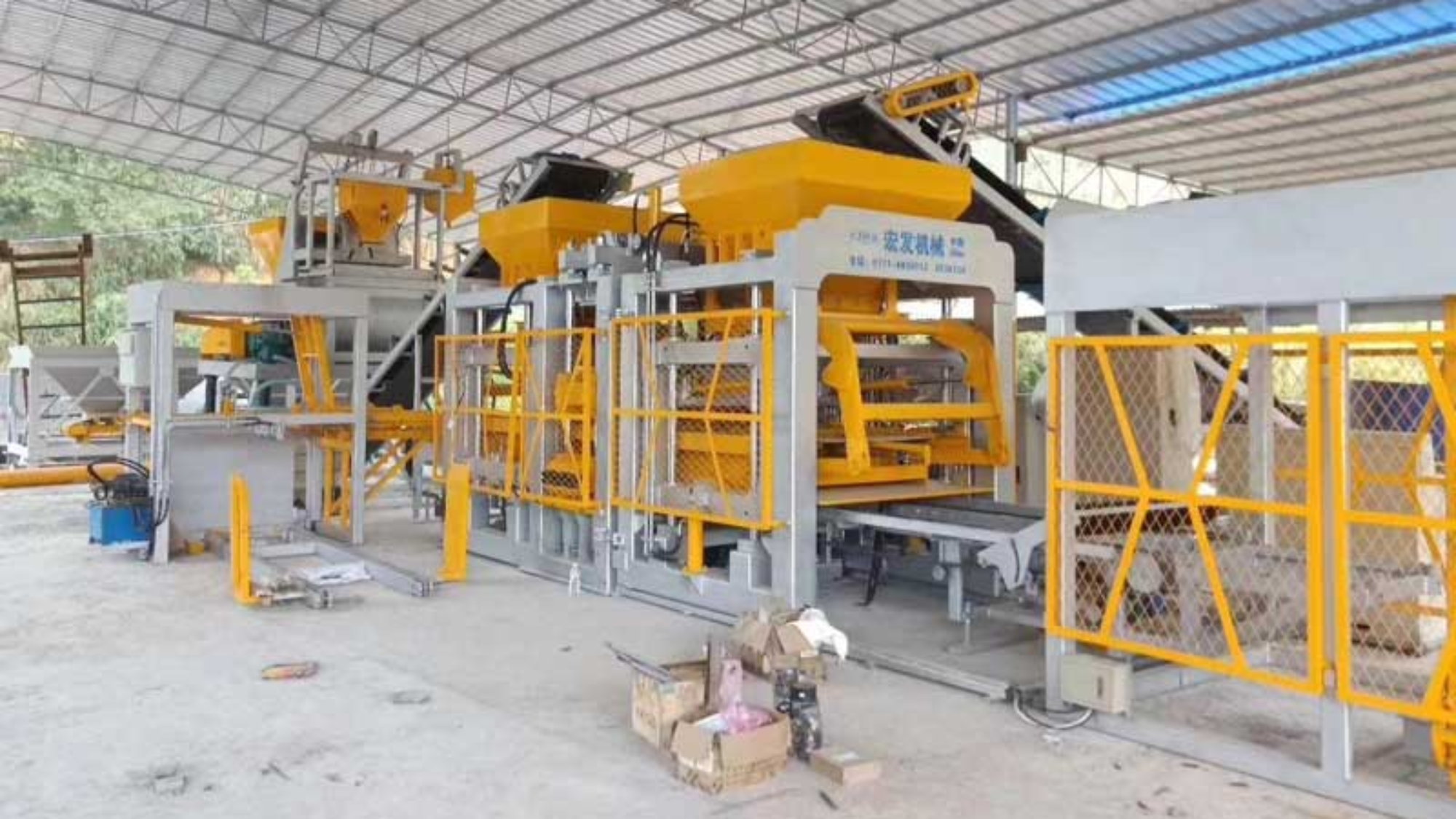
As technology continues to evolve at a rapid pace, the construction industry is undergoing a significant transformation. One of the most notable areas of change is in machinery technology, where innovations are revolutionizing the way we build. From AI and automation to sustainable materials, let’s explore some of the key advancements shaping the future of construction.
1. AI and Robotics:
Artificial Intelligence (AI) and robotics are increasingly being integrated into construction machinery, enabling automation of tasks that were once labor-intensive and time-consuming. AI-driven systems can analyze data, optimize workflows, and even operate machinery autonomously, improving efficiency and productivity on construction sites.
2. 3D Printing:
3D printing technology is revolutionizing the construction industry by offering a faster, more cost-effective way to build structures. Large-scale 3D printers can create entire buildings using various materials such as concrete, reducing waste and construction time while allowing for greater design flexibility.
3. Sustainable Materials:
With growing concerns about environmental sustainability, there is a rising demand for construction materials that are eco-friendly and energy-efficient. Innovations in machinery technology are enabling the use of sustainable materials such as recycled plastics, bamboo, and engineered wood, reducing the carbon footprint of construction projects.
4. Modular Construction:
Modular construction, where buildings are constructed off-site in modules and then assembled on-site, is gaining popularity due to its speed and cost-effectiveness. Advanced machinery technology is facilitating the fabrication of modular components with precision and consistency, allowing for faster construction and reduced labor costs.
5. Augmented Reality (AR) and Virtual Reality (VR):
AR and VR technologies are transforming the way construction projects are planned, designed, and executed. These immersive technologies allow architects, engineers, and builders to visualize projects in 3D, identify potential issues, and make real-time adjustments, improving communication and collaboration throughout the construction process.
In conclusion, the future of construction is bright with possibilities, thanks to innovations in machinery technology. By embracing these advancements, we can build smarter, safer, and more sustainable structures that meet the needs of today and tomorrow.
Add a Comment